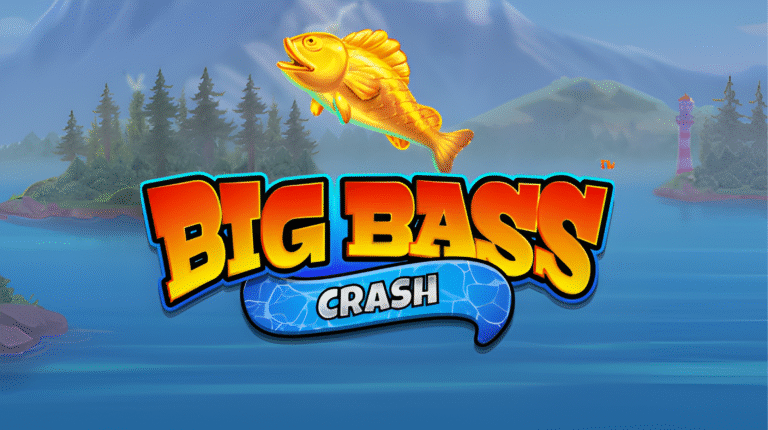


If you visit UK casino sites, you’ll constantly hear one name: Big Bass Crash https://bigbasscrash.eu/. This isn’t just another game to click. It combines the popular fishing theme and fuses it with the tense, ticking-clock mechanics of a crash game. The effect is something that consistently makes players forget the clock. The idea is straightforward—you watch a multiplier climb as a fisherman reels in his catch, and you need to cash out before the line breaks. But the feeling it creates is multifaceted. It hinges on anticipation, risk, and the sharp thrill of a win, all wrapped in peaceful underwater graphics and mellow sounds. For many here, that mix is so absorbing that an hour can pass in what feels like five minutes.
The Psychology Behind Losing Track of Time
Time doesn’t just disappear by chance in Big Bass Crash. The game is constructed to make it happen. When you play, you can fall into a ‘flow state’. That’s the term for being fully immersed in a task. The game guides you there by balancing simple rules with constant, tiny decisions. Each round goes for only seconds. But in those seconds, you are all in. You watch the number climb. You guess when the crash might come. You fight the urge to wait for just a little more. This cycle of tension, action, and result builds a tight feedback loop for your brain. There are no natural pauses, no breaks in the action to glance at the time. The serene graphics even lower your sense of stress, allowing you to sink deeper into the rhythm. Before you know it, the real world has faded away. This is exactly why setting a limit before you play is so critical.
Essential Tips for New Players Getting Started
Considering giving Big Bass Crash a try? A bit of groundwork can make your early sessions more enjoyable and clearer. Your opening move should be to find a demo or free-play version. This enables you to learn the ropes, understand how fast the rounds go, and learn the bonus fish, all without spending a penny. When you switch to real money, start with the smallest bets. This extends your budget and allows you to get a feel for the game’s rhythm. Steer clear of the trap of always hoping for a 100x multiplier. Cashing out consistently at smaller values, like 2x or 3x, can be a better long-term approach. Understand what the different fish do. Most of all, choose a cashing-out strategy before you begin, and try to follow it. Are you going to always cash out at 2.5x? Or perhaps you use a ladder system? Having a plan helps. Here’s a basic framework for your first few visits to the game:
- Set exactly how much money and time you intend to use before you load the game.
- Try the demo mode first. Study the fisherman’s movements and see which fish trigger bonuses.
- Commence with the minimum bet. Simply observe how the multiplier moves for 20 or 30 rounds.
- Select a simple cash-out rule and practice it. For example, « I will cash out at 3x for my first ten bets. »
- Once you press cash out, don’t cancel it. Second-guessing that decision is how many losses happen.
- Know when to stop. If you’re ahead, that can be a good time. If you encounter your loss limit, that is absolutely the time.
The Prospects of Crash Games for the UK Market
The rise of Big Bass Crash shows a genuine shift in what UK players want. There’s a clear appetite for games that offer greater interactivity, where your choices are directly felt, not just reactive. The crash game genre will grow from here. We’ll see more themes, from sports to adventure stories, and deeper bonus systems, building on the foundation Big Bass Crash pioneered with its fish features. Other big slot brands are expected to launch their own crash games, bringing their fans with them. Technically, we might see features that let you compete with others on a live leaderboard, or share in a communal bonus. For players, this means greater variety and fresh creativity. Of course, this growth will occur under the close scrutiny of the UK Gambling Commission. They will require that as games become more engaging, the tools to protect players become more effective. The challenge for developers is to build captivating worlds like Big Bass Crash while embedding safety features right into the fabric of the game, so the fun never comes at too high a cost.
Responsible Gaming: Keeping Command of Your Playtime
Because Big Bass Crash is so absorbing, you have to be careful. The most critical step is to set your boundaries before you even see the fisherman cast his line. The same design that creates such deep concentration can also make you stay longer than you intended to. Think of it as buying entertainment, like a cinema ticket. It is not a means to make money. Determine what you want to allocate, and for how long you want to participate. Then adhere to that plan. Use the features that every proper UK casino must present: deposit limits, loss limits, and session reminders that appear to tell you how long you’ve been logged in. One rule is non-negotiable: never try to recoup your losses by raising your bet. Every round is its own instance, independent to the last. The players who love this game the most are the ones who gamble within their own clear parameters. They take their wins, they dismiss their losses as the expense of the fun, and they walk away when their time or budget is done.

The way Big Bass Crash Compares Versus Other Crash Games
Plenty of crash games can be found, from Aviator to Spaceman. Big Bass Crash stands apart in a few key areas. Many other games go for a sleek, abstract look. Big Bass Crash creates a whole world. You see the fisherman, the underwater scene, the collectible fish. That narrative layer is important to players who seek more than just a rising graph. The bonus features tied to the fish symbols are an additional big difference. Most crash games are solely about the multiplier climb. Here, you enjoy the chance for instant prizes and bonus rounds, which offers more ways to win. For a UK audience, the Big Bass name itself carries weight. It originates from the massively popular Big Bass Bonanza slot series, so it feels familiar and trustworthy from the start. The production quality is also a notch above, with smoother animations and a complete soundscape. In short, it provides a deeper, more feature-packed experience than its simpler rivals. That’s why you spot it on so many sites here now.
What Exactly Is Big Bass Crash?
Big Bass Crash is from Pragmatic Play, a top game maker. It’s a trial of timing and nerve. You begin with a bet. On screen, a fisherman throws his line. A multiplier starts to climb from 1x, shown by a number on screen and the pressure on the virtual fishing line. Your job is to press the ‘Cash Out’ button before that line randomly pops. Do it in time, and you earn your bet multiplied by that number. Wait too long, and the line fails, and you lose the bet. The smart part is the theme. The environment is calm—gentle water, soft music, bubbles. This calmness sits in direct opposition to the adrenaline spike you experience deciding when to bank your cash. It appears nothing like rotating slot reels or playing cards. That contrast, that interactive pulse, has resonated with UK players who are always on the lookout for something new.
Core Features That Draw In UK Players
Big Bass Crash didn’t just come into the UK market; it discovered a home there. It turned the basic crash game and added features that seem both rewarding and fun. The main attraction isn’t just the multiplier. Special fish symbols can appear during a round. Catching certain fish can award instant cash or activate one of two bonus games. This adds a surprise element on top of the steady tension of the climb. The game also enables you to use an autoplay function, where you can establish a specific cash-out point in advance. But for many players, the real hook is the presentation. The graphics are sharp and elaborate. The sounds draw you into that underwater world without being annoying. It functions perfectly on a phone or a computer. This level of polish keeps everything smooth. It transforms a mathematical game into a little story, and that story keeps people coming back.